
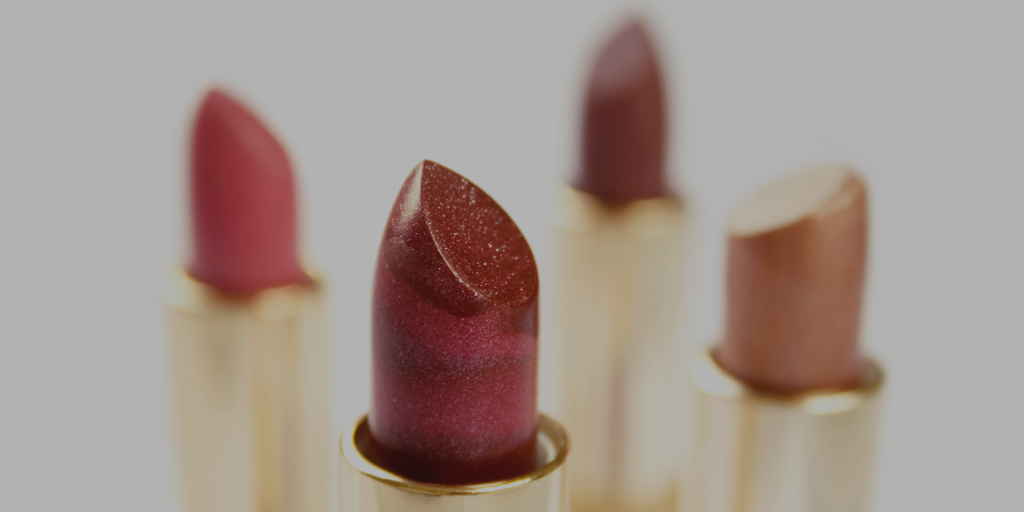
Understanding the Lipstick Effect
The Lipstick Effect is a term coined during economic downturns, when consumers continue to spend money on small luxuries like lipstick despite cutbacks in other areas. This phenomenon points to a psychological drive where, even in tough times, people seek out affordable indulgences to lift their spirits. In this context, the luxury beauty industry finds itself uniquely poised to adapt and thrive, embracing the nuances of consumer behavior to shape its future.
Historical Context of the Lipstick Effect
The concept of the Lipstick Effect dates back to the Great Depression of the 1930s when sales of beauty products rose, defying economic logic. The term gained further traction during the early 2000s economic recession, again observing increased sales of affordable luxury items. The trend continued through various economic cycles, solidifying its position as a consistent behavioral pattern.
Psychological Underpinnings
Several psychological theories explain why people indulge in small luxury items during economic downturns:
- Self-Expression: People use beauty products to express their individuality and maintain a sense of normalcy.
- Emotional Boost: A small luxury can provide a significant mood boost, especially during challenging times.
- Status Symbol: Owning a luxury item, no matter how small, can offer a sense of prestige and self-worth.
Current Trends Influencing the Future of Luxury Beauty
The luxury beauty industry is continuously evolving, driven by several contemporary trends:
Sustainability and Ethical Consumerism
Modern consumers are increasingly concerned with sustainability and ethical practices. Brands focusing on eco-friendly products and transparent supply chains are gaining preference.
Technological Advancements
The integration of technology in beauty products is revolutionizing the industry. From AI-powered skincare to virtual try-ons, technology is enhancing the consumer experience and personalizing beauty routines.
Inclusivity and Diversity
Consumers demand products that cater to a diverse range of skin tones, types, and personal styles. Brands that promote inclusivity and create products for all demographics are leading the market.
Impact of the Lipstick Effect on Future Strategies
Affordability and Luxury Balance
Brands are strategically balancing affordability with their luxury image. Offering entry-level luxury products allows consumers to experience the brand without a significant financial commitment. This approach not only attracts new customers but also retains existing ones.
Enhanced Customer Engagement
The rise of social media and digital platforms has transformed how brands interact with their audience. Personalized marketing, influencer collaborations, and interactive content create a more engaging and loyal customer base.
Focus on Innovation
Continuous innovation is crucial for maintaining relevance and interest. Brands are investing in research and development to bring cutting-edge products that cater to evolving consumer needs. From innovative packaging to breakthrough formulations, innovation drives the industry forward.
Challenges and Opportunities
Economic Fluctuations
While the Lipstick Effect offers resilience during downturns, it also poses a challenge during economic growth phases when consumer preferences might shift towards more significant investments. Brands must remain agile to adjust their strategies accordingly.
Competition and Market Saturation
The beauty industry is highly competitive, with new brands entering the market constantly. Ensuring uniqueness and maintaining brand loyalty amidst fierce competition is a significant challenge. However, it also provides an opportunity for differentiation through innovative and high-quality offerings.
Evolving Consumer Behavior
As consumer preferences evolve rapidly, brands must continuously monitor and adapt to these changes. Understanding and anticipating these shifts enable brands to stay ahead and cater to emerging trends effectively.
Conclusion
The Lipstick Effect highlights a unique aspect of consumer behavior, emphasizing the importance of small luxuries during economic uncertainties. The luxury beauty industry, by embracing sustainability, technology, inclusivity, and innovative strategies, is well-positioned to navigate future challenges and opportunities. With a focus on affordability, enhanced customer engagement, and continuous innovation, the industry can continue to thrive and evolve, creating a promising future for luxury beauty products.